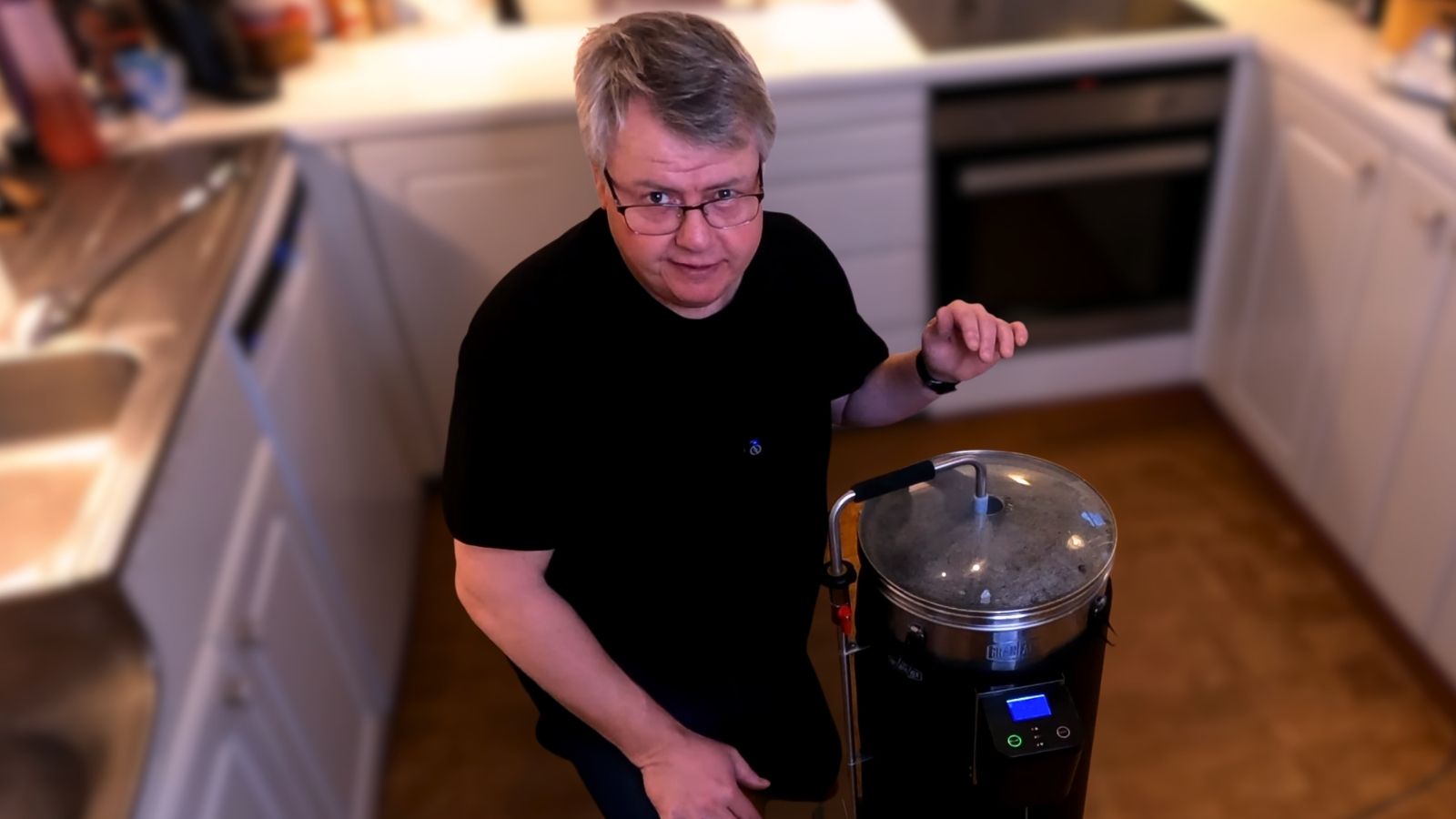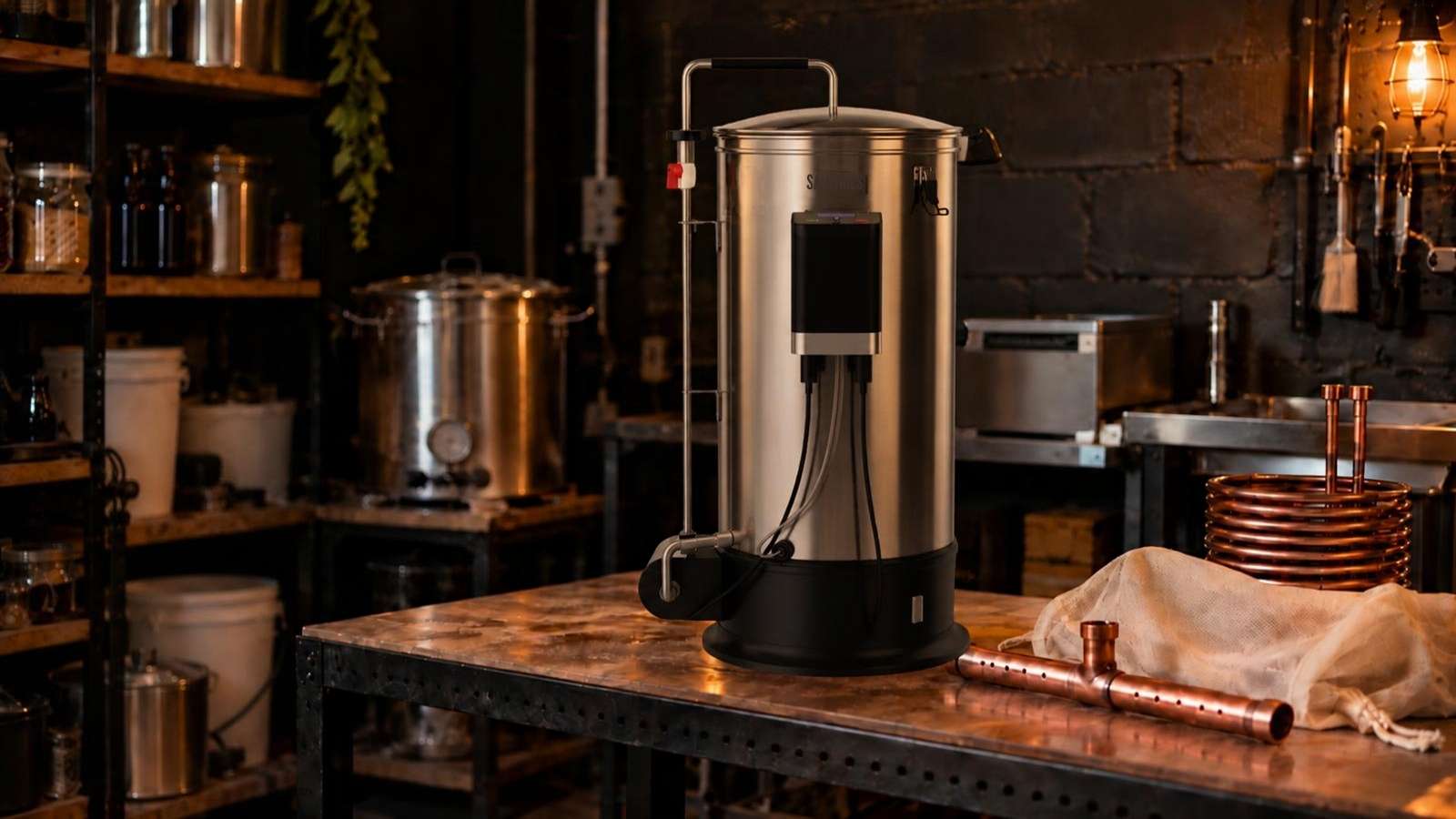
I Brewed My Christmas Beer One Month Before Christmas
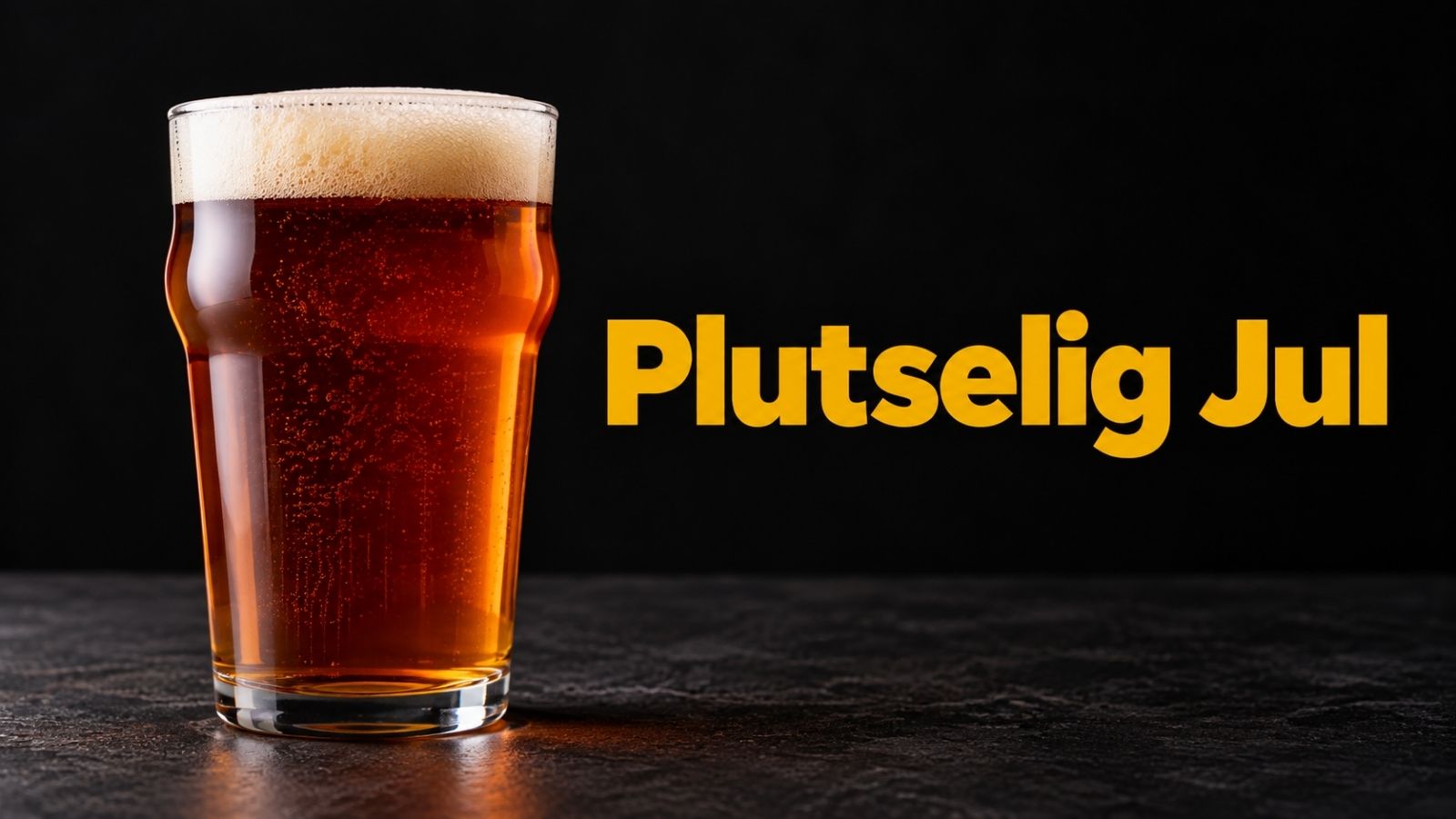
Christmas was one month away and I still hadn’t brewed my Christmas beer. Plutselig Jul was made for exactly that problem.
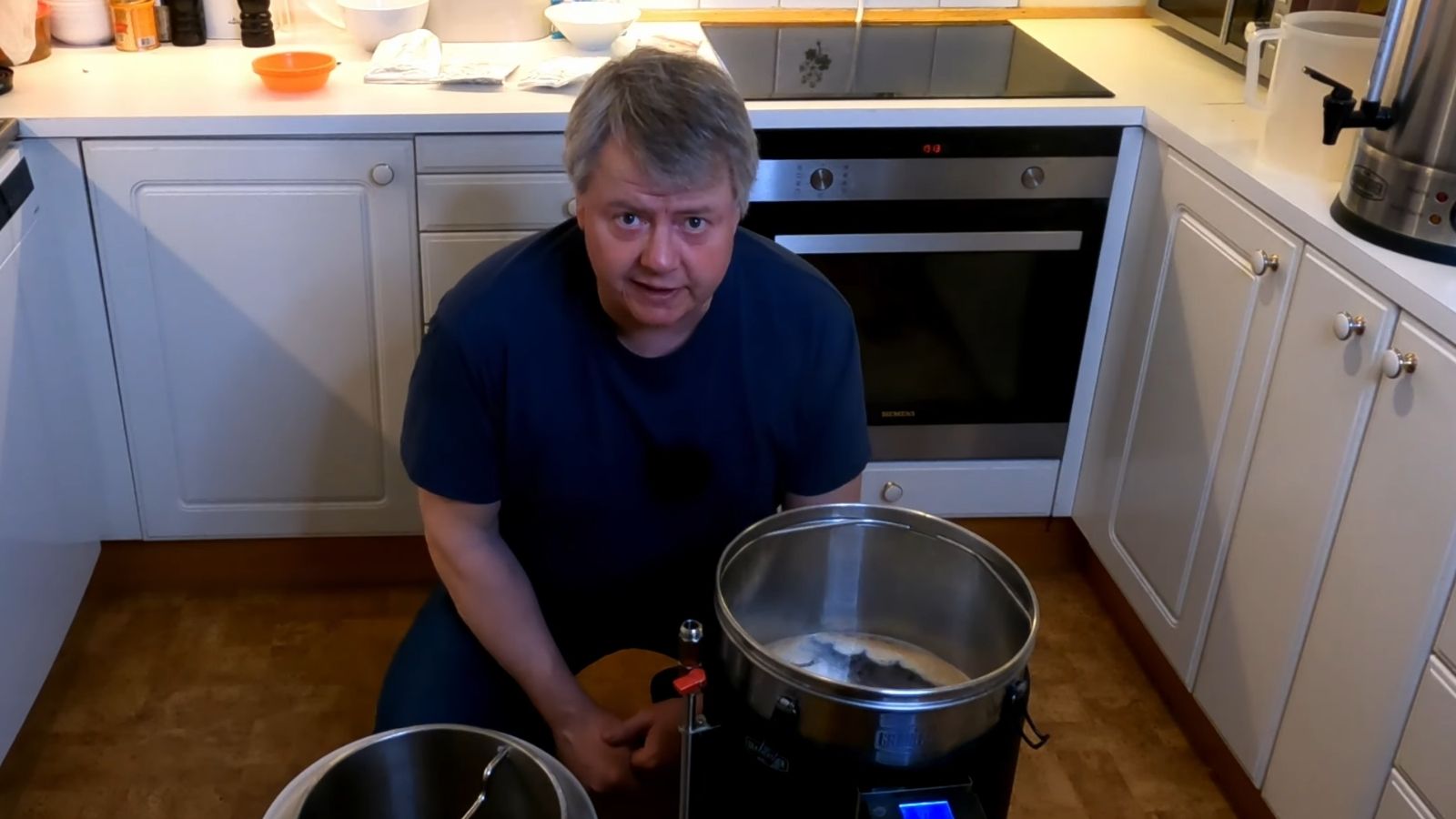
On November 24, 2024, I realised I had done a fairly poor job of planning my Christmas beer. Christmas Eve was exactly one month away, and I still hadn’t brewed it. So yes, I was trying to make a Christmas beer in four weeks.
Fortunately, the beer I had planned was called Plutselig Jul — “Suddenly Christmas” — and that was pretty much the point of it. The original Plutselig Jul all-grain kit from Ølbrygging.no was made for exactly this kind of situation: Christmas is suddenly getting close, you’re late, and you still want a proper homebrewed Christmas beer.
So yes, I was trying to force a Christmas beer through in four weeks.
The question was whether that would actually work.
I brewed this batch using my Plutselig Jul recipe. You’ll find the complete ingredients and process in the recipe card there.
Prefer to watch the Plutselig Jul brew day? The video is in Norwegian, with subtitles in English available. Here’s the original brew from start to finish.
Amber ale was an easy choice for me because it’s my favourite beer style for Christmas. A lot of Christmas beers go darker, towards porter, stout or stronger dark ales, but that has never really been my first choice. I like amber because it still feels rich enough for winter without becoming heavy, and it gives me some malt character while leaving room for hops and, in this case, a small amount of spice.
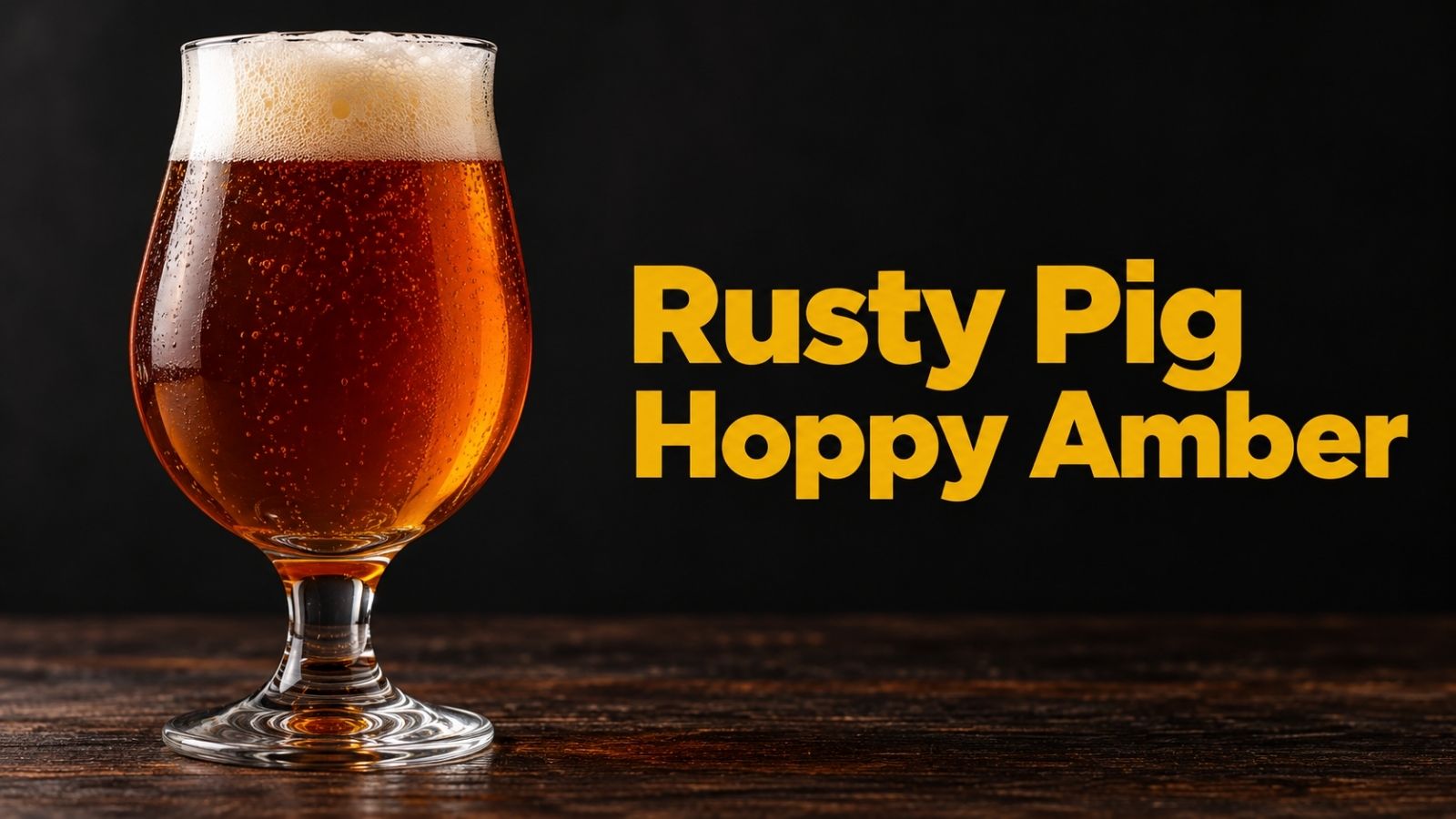
Plutselig Jul was built around 4 kg of Pale Ale malt, with 800 g of Red X, 400 g of Imperial Malt and 250 g of Crystal Dark. I’d actually brewed another amber ale just one week earlier, but that beer was going in a completely different direction. The Hoppy Amber was much more hop-driven, with Citra and Sabro in the dry hop. Plutselig Jul used Columbus, Simcoe and Cascade only in the boil, with Nottingham instead of Windsor yeast.
The malt bills were similar, but the intention wasn’t. One was a hoppy amber. This one had one job: become a Christmas beer before Christmas.
And then there was the cinnamon.
A fairly long mash, and a slightly higher OG than planned
I mashed the 5.45 kg grain bill in a little over 18 litres of water at 68°C. At the time, I was regularly doing two-hour mashes, followed by a 15-minute mash-out at 78°C and then sparging with another 11 litres or so.
Back then, my thinking was that the longer mash might help produce more fermentable sugars. I wouldn’t state that as a conclusion from this batch today. There was no shorter mash alongside it, and there were too many other variables to say what that extra hour actually did.
What I can say is that I ended up a little above the recipe calculation. The underlying recipe was built around an OG of roughly 1.060, while my measured OG came in at 1.065. Brewfather also recorded the batch efficiency at about 78%, compared with the 72.7% figure in my equipment and recipe setup.
That’s useful information, but not proof of anything by itself. The longer mash may have played a part. It may not have. This wasn’t a controlled mash test, just a real brew day where I happened to get a bit more gravity than expected.
The two-hour mash did have one undeniable advantage, though: it gave me enough time to make and eat dinner. I brew in the kitchen, so sometimes the mash schedule and family life have to share the same room.
The part I was actually unsure about: cinnamon
The original recipe suggested adding a little Christmas spice and gave cardamom, nutmeg and cinnamon as possible options, roughly 10–20 grams near the end of the boil.
I’d never put spices in beer before, and I wasn’t completely sold on any of them.
Cardamom made me think of sweet bun dough. That was probably an unfair association, but once I’d made it, it was difficult to get rid of it. Nutmeg didn’t tempt me much either, so I ended up with cinnamon.
I chose 10 grams, the bottom end of the suggested range, and added it with ten minutes left in the boil.
That felt quite sensible until I started smelling cinnamon around the kettle.
Then 10 grams suddenly felt like quite a lot.
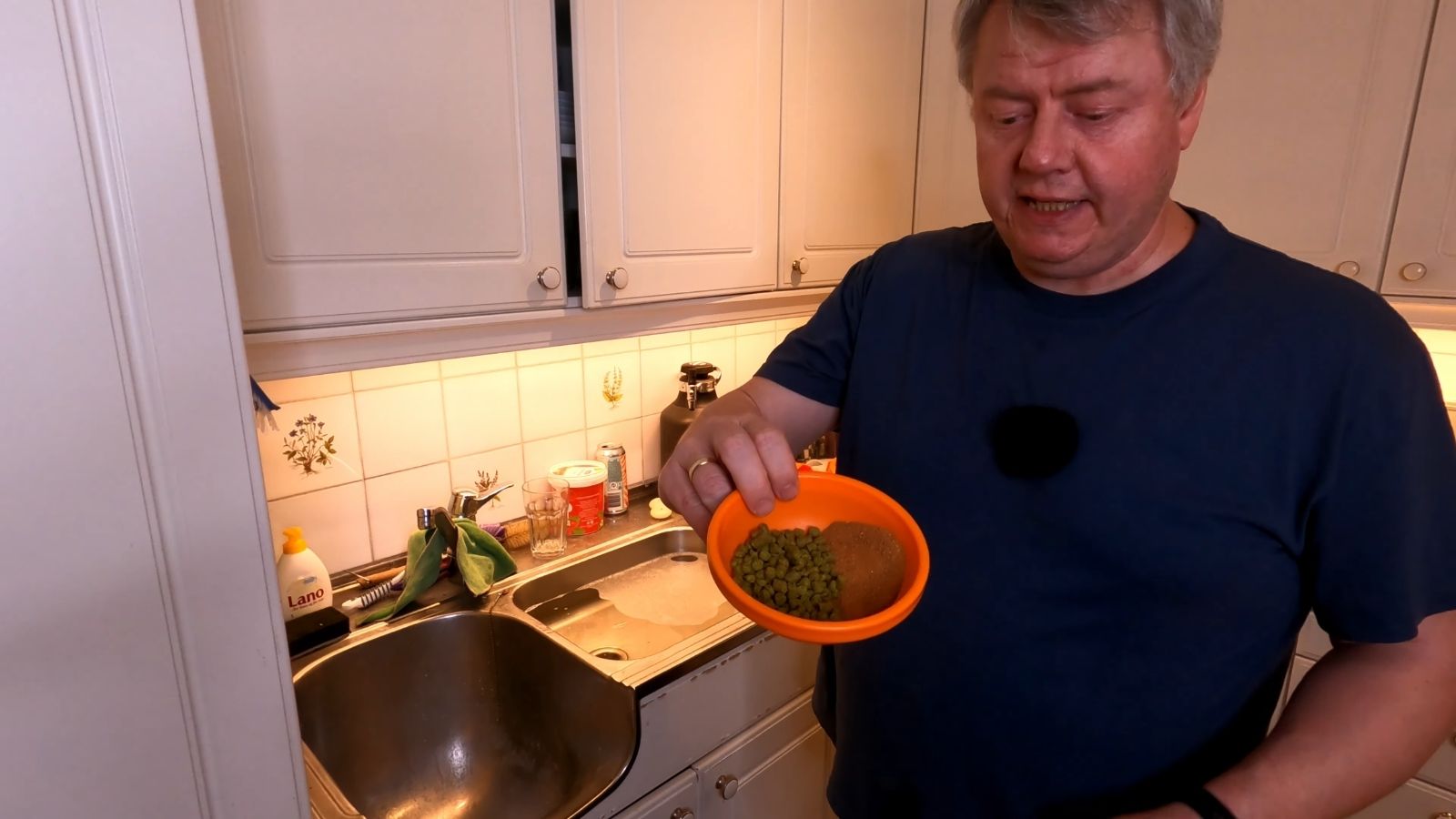
By that point, there wasn’t much to do about it. The cinnamon was in, and the beer was going to tell me later whether I’d been too cautious or not cautious enough.
The hops were deliberately kept fairly straightforward. Columbus went in at 60 minutes, Simcoe at ten minutes and Cascade at five. I also added yeast nutrient and Protafloc near the end of the boil. I wasn’t trying to build another hop-heavy amber here. I wanted enough bitterness and hop character to keep the beer lively, but the malt and the spice still needed room.
The last part of the brew day got busy quickly
The last ten or fifteen minutes of a brew always seem to contain more jobs than the clock suggests they should.
While the final additions were going into the kettle, I was also getting the fermenter ready, sanitising anything that would touch the wort after the boil, finding the Tilt and setting up the counterflow chiller.
This is the part of the brew day where I prefer being methodical over being clever. Once the wort is no longer boiling, I want everything on the cold side properly sanitised. At the same time, there are hot hoses, hot wort and a pump involved, so saving two minutes isn’t really worth much.
I circulated hot wort through the counterflow chiller before starting the cooling water, then transferred the wort into the fermenter. The first little bit came through warmer while everything settled down, but the temperature dropped quickly once the cold water was running.
My target was 20 litres into the fermenter, and that’s almost exactly where I landed.
Small victory, but I’ll take it.
One problem: the fermentation fridge was already full
There was one practical problem with trying to push a Christmas beer through on a tight schedule.
My fermentation fridge was already occupied by the Hoppy Amber I’d brewed the week before.
So after pitching two packs of LalBrew Nottingham, Plutselig Jul had to start fermentation downstairs instead. The basement was roughly 18–20°C, and the plan was to let it get going there before moving it into the temperature-controlled fridge once that became available.
I had a Tilt in the fermenter, so I can go back now and see how the temperature actually developed. The beer started at around 20°C, climbed to roughly 22°C during the first couple of days, then settled back around 18–19°C for most of the fermentation. Around December 7, I cold crashed it down to about 4°C, where it stayed until packaging.
So it wasn’t a perfectly flat 18°C fermentation, even though that was the profile I’d entered in Brewfather, but the yeast had done its job quickly and finished fermentation in about a day after pitching. The first couple of days ran a little warmer than planned, then it spent most of the remaining fermentation close to where I wanted it.
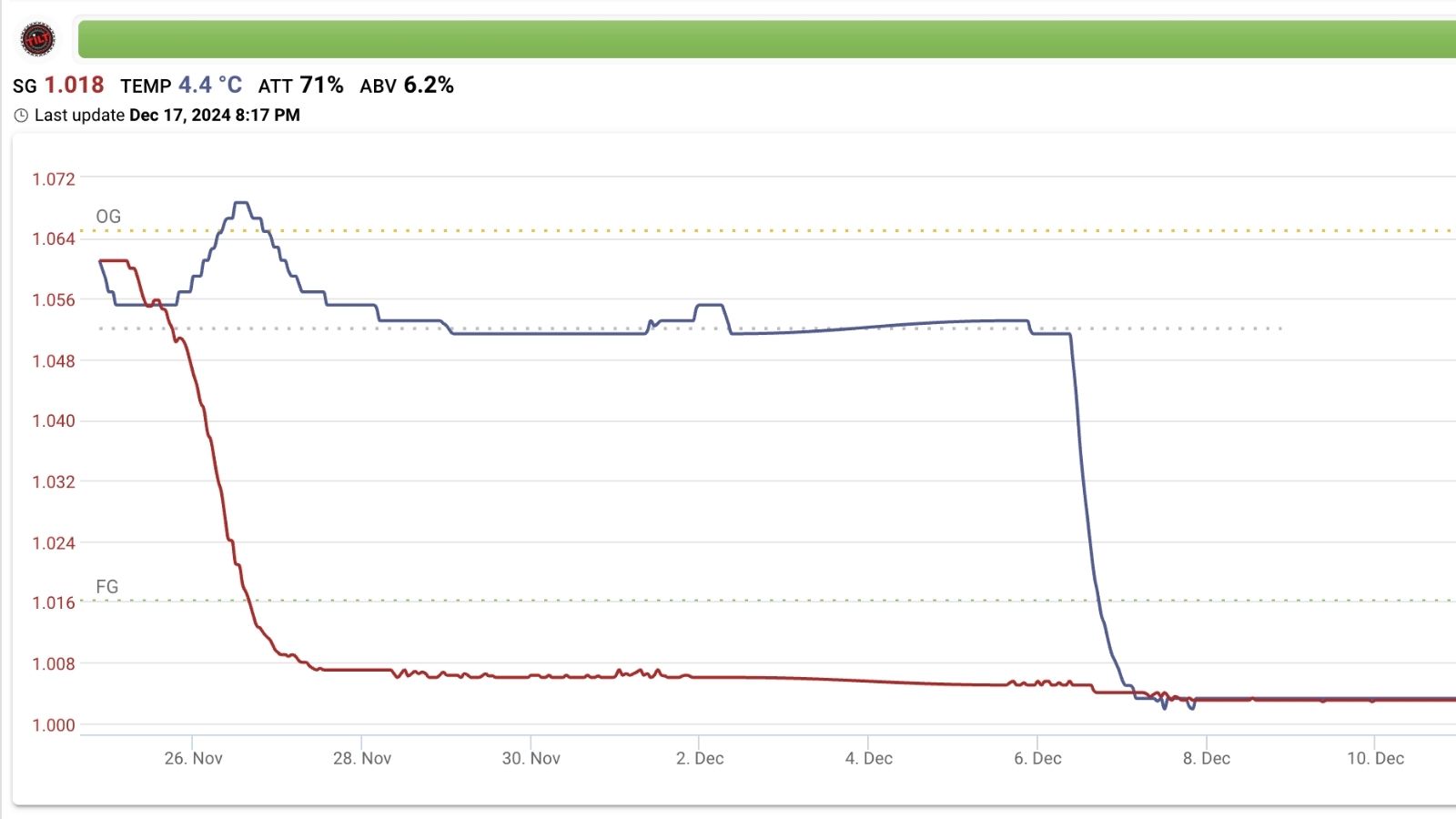
I don’t use the Tilt gravity reading as the final reference for a batch. Yeast and other material can stick to the Tilt and skew the reading, and that happened here. For final gravity, I trust the hydrometer measurement, which gave me 1.018.
The temperature log is still useful, though. Without it, I’d mostly remember that the fermentation fridge was full and I had to improvise. The graph shows what the beer actually experienced.
Can you brew a Christmas beer in four weeks?
The beer started at 1.065 and finished at 1.018, giving me a recorded ABV of 6.2%.
More importantly, it became a Christmas beer I actually enjoyed drinking.
The cinnamon was the part I had been most unsure about, and it turned out better than I feared while standing over the kettle. It wasn’t dominant. I don’t have detailed tasting notes from this batch, so I’m not going to invent a long list of flavours I didn’t write down at the time. What I do remember clearly is that the cinnamon gave the beer a pleasant, Christmassy character without taking over.
That was exactly what I wanted from it.
And yes, the four-week plan worked.
That doesn’t mean four weeks is enough for every Christmas beer. Change the yeast, strength, style, fermentation schedule or packaging method and the timeline can look very different. But for this beer, with Nottingham and a fairly straightforward amber ale recipe, one month turned out to be enough.
Which is really what Plutselig Jul was supposed to prove in the first place.
What I’d do differently now
I wouldn’t change the basic idea very much.
I’d still brew an amber ale for Christmas. It’s still the beer style I prefer at that time of year, and I’d rather make something I genuinely want to drink than choose a darker style because Christmas beer is somehow supposed to be dark.
I’d also be perfectly comfortable using 10 grams of cinnamon in a 20 litre batch again. It gave me the seasonal character I wanted without making cinnamon the main flavour. Based on this batch, I wouldn’t feel any urge to push it up to 20 grams.
The obvious change would be starting earlier.
Not because November 24 failed. It didn’t. But when you’re already working with only four weeks, every small delay suddenly matters more. Fermentation can take longer than planned. Packaging can slip. The fermentation fridge might already contain another beer.
Again.
Starting a week or two earlier would make the whole thing more relaxed.
Then again, that would also make the name slightly less accurate.
Plutselig Jul exists because sometimes Christmas really does arrive all at once. And in 2024, that was exactly how this beer got brewed.